
The Impact of Screen Time on Preschoolers (and How to Balance It)
Understanding the Effects of Screen Time
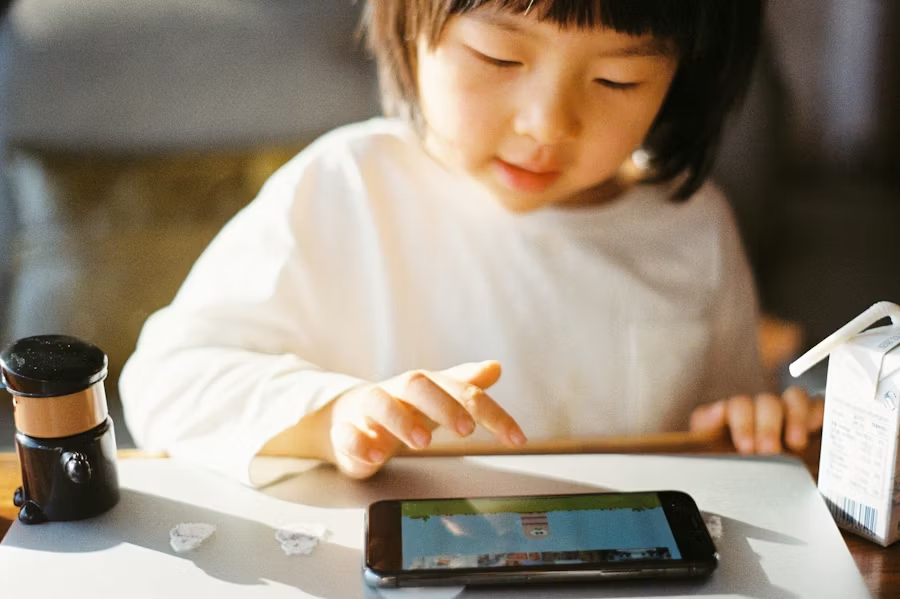
Preschool years are a time of rapid growth, both physically and mentally. During this stage, children learn best through hands-on experiences—touching, exploring, and interacting with the world around them. Excessive screen time can interfere with these crucial developmental processes. Children who spend too much time with screens may experience delayed language development, reduced attention span, or difficulty managing emotions. Studies have also shown that passive screen use, such as watching videos for extended periods, can limit creativity and problem-solving skills.
However, not all screen time is bad. When used intentionally and in moderation, technology can support learning. Interactive educational games or video chats with loved ones can promote communication and social skills. The key lies in what your child is watching, how long, and whether you are engaging with them during that time.
Finding a Healthy Balance
Finding the right balance between screen time and other activities can feel challenging, especially for busy families. The American Academy of Pediatrics recommends no more than one hour of high-quality programming per day for children ages 2 to 5. But more importantly, parents should focus on creating a routine that includes plenty of screen-free experiences. Outdoor play, art projects, building blocks, and pretend play are essential for building coordination, imagination, and social interaction.
Try to make screen time a shared experience rather than a solo one. Watch a short show together, ask questions about what’s happening, and connect it to real-life experiences. This transforms screen time into a meaningful, language-rich learning opportunity rather than passive entertainment.
Practical Tips for Parents
Here are a few simple ways to help your preschooler build a healthy relationship with technology:
- Set consistent limits: Designate specific times for screen use, such as after nap time or during long car rides, and stick to those boundaries.
- Model mindful screen habits: Children learn by example. If they see you scrolling during meals or conversations, they’re more likely to do the same. Show them that real-world interactions come first.
- Encourage creative play: Balance digital activities with hands-on learning—painting, puzzles, dancing, or exploring nature all provide valuable stimulation that screens can’t replicate.
Building Connection Beyond the Screen
Screens can sometimes serve as a substitute for interaction, but real connection happens through play, conversation, and shared experiences. By being intentional about technology use, parents can help children develop focus, empathy, and creativity. Remember—children don’t need a screen to learn about the world. They need time, space, and the presence of caring adults to guide their curiosity.
At your preschool, our goal is to nurture that curiosity while supporting families in creating healthy, balanced habits at home. Together, we can prepare children for a future where technology is a helpful tool, not a distraction from the joy of learning and discovery.
