
Mindfulness for Young Children: Simple Practices for Calm & Focus
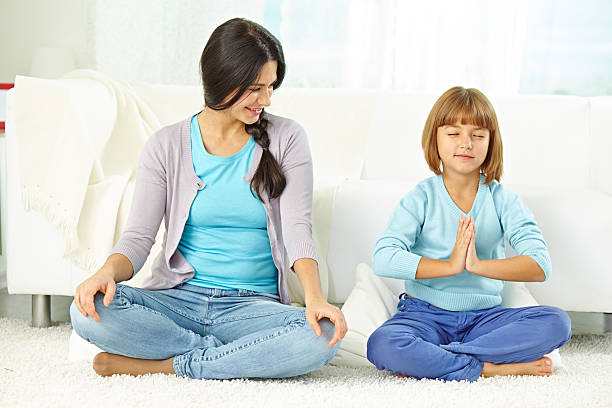
In today’s busy world, children are often just as overstimulated as adults. Preschoolers are naturally curious, full of energy, and eager to explore their surroundings. While this is a beautiful part of childhood, it can also lead to moments of overwhelm, difficulty focusing, or emotional outbursts. This is where mindfulness comes in. Contrary to the common belief that mindfulness is only for adults, young children can also benefit greatly from simple practices that encourage calm, awareness, and emotional balance.
Mindfulness, at its core, is about paying attention to the present moment with kindness and without judgment. For children, this can mean learning to notice their breathing, focusing on sounds around them, or becoming aware of how their body feels. These small moments of pause can help preschoolers develop stronger self-regulation skills, reduce anxiety, and improve their overall focus. In classrooms and at home, mindfulness strategies are increasingly being used to support children in building resilience and lifelong coping tools.
When introduced in a playful and gentle way, mindfulness can easily be woven into a child’s daily routine. Parents and teachers do not need special training to begin—just a willingness to guide children with patience and creativity. The key is to keep activities short, fun, and developmentally appropriate. Over time, these mindful moments become natural habits that children can draw upon whenever they need to center themselves.
Simple Mindfulness Practices for Preschoolers
Here are three child-friendly practices you can start today:
- Breathing with a Buddy: Invite your child to lie down with a favorite stuffed animal on their tummy. As they breathe in and out, the toy gently rises and falls. This helps them visually connect with their breath and slow down.
- Five Senses Exploration: Guide children to pause and notice one thing they can see, hear, touch, smell, and taste. This practice grounds them in the moment and builds awareness of their environment.
- Glitter Jar Calm-Down: Create a “mindfulness jar” by filling a clear bottle with water, glitter, and glue. When shaken, the glitter swirls like a storm—just like big feelings. As the glitter settles, children learn to wait, watch, and calm down along with it.
The Benefits of Mindfulness in Early Childhood
Mindfulness is not about making children sit still for long periods or silencing their natural energy. Instead, it gives them tools to pause, observe, and respond thoughtfully rather than react impulsively. Research has shown that children who practice mindfulness often demonstrate better emotional regulation, improved concentration, and greater empathy toward others. For example, a child who learns to take three deep breaths before responding to frustration may be less likely to hit or shout.
In the preschool setting, mindfulness also creates a calmer classroom environment. Teachers who use mindfulness activities often notice smoother transitions, reduced conflicts, and more cooperative play. At home, mindfulness can help during challenging moments such as bedtime routines, sibling disagreements, or preparing for school. Families often find that practicing together not only supports the child but also encourages adults to slow down and be present too.
Most importantly, mindfulness nurtures lifelong skills. By learning to recognize and name emotions at an early age, children become better equipped to handle challenges as they grow. They build a foundation for resilience, compassion, and self-awareness that extends well beyond the preschool years.
Making Mindfulness a Daily Habit
Introducing mindfulness does not have to be complicated. Start with just a few minutes a day. Parents might invite their child to take three deep breaths before meals or practice noticing sounds during a car ride. Teachers can add short breathing breaks between lessons or use storytime to incorporate mindful listening. The key is consistency—just like brushing teeth, regular practice makes mindfulness part of daily life.
It’s also important to model mindfulness. Children learn best by observing adults. When parents or teachers show that they pause to breathe when stressed, or express gratitude for simple things, children naturally pick up these habits. Over time, these small practices create a more peaceful and connected environment both at home and in the classroom.
By embracing mindfulness in the preschool years, we are giving children the gift of presence and calm in a world that often rushes them along. With simple, playful practices, even the youngest learners can discover how to focus their attention, manage big emotions, and approach each day with curiosity and kindness.
